
Angles: Is true-crime media ethical?

True crime has piqued public interest for generations, but today it’s more popular than ever because of easy access to criminal information. Podcasts and documentaries have made millions off of reviving cold cases and diving into the inner lives of infamous serial killers.
But is exploring closed cases in the form of entertainment worth the damage that’s possible when tragedy becomes profitable?
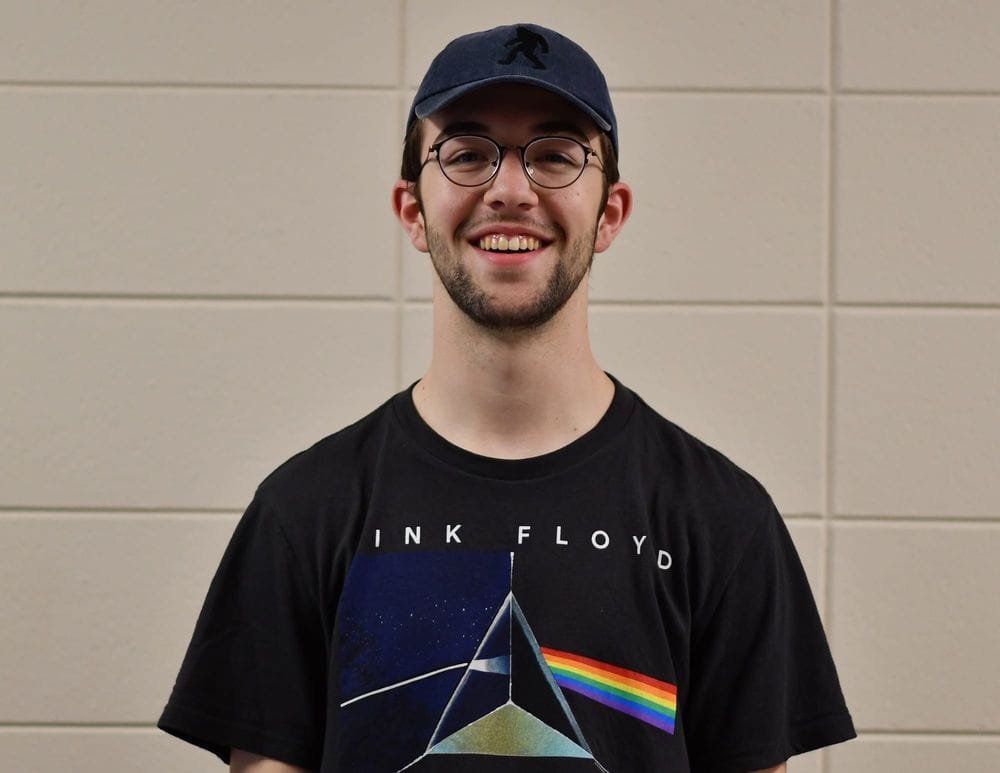
Senior Parker Carbonneau believes the risks outweigh the potential benefits of true crime when real families are uninformed and exploited. His stance is that when the media doesn’t prioritize accuracy or integrity in telling true-crime stories, opting instead to highlight the most profitable plotpoint, it’s unethical and shouldn’t be commodified.
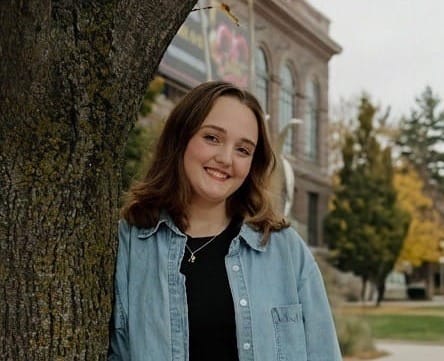
In opposition, junior Macee Bortnem believes true crime is a crucial way to keep cold cases and victims from being forgotten. In certain cases, public weigh-ins and podcasts have led to reopening court cases and freeing innocent people. She also argues that the widespread coverage of true crime can teach people how to recognize signs of violence and keep themselves safe.
Below, Carbonneau and Bortnem argue the ethics of true crime and if it should be publicized at all.
Elsa Friesen, Forum Editor
No, it exploits victims
Carbonneau is a senior data journalism major.
When Netflix released its 2022 series about serial killer Jeffrey Dahmer, millions of viewers watched an actress recreate the emotional 1992 courtroom statement of Rita Isbell, whose brother Errol Lindsey was murdered by Dahmer.
According to Isbell, Netflix never contacted her before turning the worst moment of her life into streaming content. For Netflix it was a hit, topping 1 billion viewing hours within weeks. For Isbell, it was a decades-old wound torn open for the world to enjoy.
The true crime genre is unethical because the pursuit of attention turns real violence into entertainment. It exploits victims and survivors, distorts how audiences see the world and invites them to treat tragedy as a mystery they can help solve.
Media platforms and creators turn murders into streaming series, podcasts and viral social media posts because attention drives clicks and ad revenue. Graphic details and speculation can attract that attention, giving creators an incentive to emphasize the most sensational aspects of a case over accuracy and restraint.
Isbell’s case shows how little say families have in how their loss is portrayed. By dramatizing her grief, Netflix treated a living survivor’s pain as public property.
“It’s sad that they’re just making money off of this tragedy,” Isbell wrote in an essay for Business Insider. “That’s just greed.”
But the consequences of turning real violence into entertainment don’t end with the people directly affected by it. They also extend to the audiences consuming these stories.
In a Purdue University study of crime-focused television, heavy viewers estimated 2.5 times more real-world murders than non-viewers did, meaning if non-viewers guessed 100 people died from homicide, heavy viewers guessed 250. Similarly, a University of South Florida study found that the more true-crime media people consumed, the more afraid of crime they were.
These findings matter because consuming true crime may make an already frightening world seem more dangerous than it actually is.
For some viewers, voyeuristic spectatorship is not enough; they begin to treat grief as a puzzle they feel entitled to solve.
After the University of Idaho student murders in 2022, TikTok users treated an active investigation like a crowdsourced game, spreading theories that drew billions of views and falsely implicated innocent people.
Professor Rebecca Scofield sued a TikTok creator for defamation after being baselessly linked to the killings. A federal judge ruled in her favor, finding the videos harmful and driven by viral attention. These amateur detectives often do more harm than good, spreading baseless theories and implicating innocent people in the process.
Defenders of true crime rightly note that it can bring attention to cases that might otherwise be forgotten. But those benefits depend on consent, factual accuracy, restraint and victim-centered framing — none of which audiences reliably reward.
True crime takes families’ worst tragedies, skips the permission and the accuracy, and neatly packages the most sensational version of events for millions to look on. Whatever that says about the industry, it says more about the audiences whose clicks keep rewarding it.
Yes, it spreads awareness
Bortnem is a junior elementary education major.
In 1996, Kristin Smart, a student at California Polytechnic State University, vanished. Her case stalled for over two decades until investigative journalist Chris Lambert launched his true crime podcast, “Your Own Backyard.” In 2019, Lambert reinterviewed witnesses and uncovered neglected leads. His reporting renewed public attention and led to the arrest and conviction of her killer, 25 years after she went missing.
True crime is dark by nature, and the thrill some audiences feel can blur into entertainment. But at its core, the genre reveals true events to the public and is not inherently unethical. In fact, reporting on cases can raise public awareness, aid investigations, hold authorities accountable and bring attention to cold cases that would otherwise be forgotten.
The risks of true crime are real. When creators solely prioritize views, victims can be exploited. But those risks hinge on how the story is told, not just because it’s being told. Just as tabloids don’t discredit all journalistic publications, a handful of exploitative creators don’t make the whole genre unethical.
Many true crime content creators donate a portion of their proceeds to help crime victims. For example, the “Mile Higher” podcast’s nonprofit provides financial relief and legal assistance, reopens cold cases and shines a light on underreported stories.
Beyond solving cold cases, true crime can expose corrupt institutions and flaws in the legal system.
Curtis Flowers was tried six times for the same 1996 quadruple murder in Mississippi, spending more than two decades in prison before outside voices pressured the system to act.
The true-crime podcast “In the Dark” uncovered fabricated testimony and data showing the prosecutor struck Black prospective jurors at more than four times the rate of white jurors. Citing the podcast’s findings in Supreme Court filings, legal advocacy groups backed Flowers’ appeal, and in 2019, the justices overturned his conviction in a 7-2 ruling over the intentional exclusion of Black jurors.
Following the podcast’s discoveries, prosecutors dropped the charges after Flowers spent nearly 23 years behind bars. Accountability starts with awareness, and awareness is something true crime can create.
A study from the University of Nebraska-Lincoln involving interviews with 16 domestic violence survivors who listened to true-crime podcasts identified both a potential therapeutic role for these stories and community connections formed through listening. By creating space to discuss warning signs, domestic violence and systemic neglect, victim-centered storytelling can offer opportunities for recognition and support.
True crime is unusual in that it carries a unique moral tension. Reporting the truth is ethical, but those who profit from real tragedies owe something to the people in those stories. For Smart’s family, answers came after more than two decades, and they came only because someone kept telling her story. Following Paul Flores’ conviction in 2022, her family thanked creator Chris Lambert, saying his podcast “brought not only new information but much-needed light and attention in our darkest hours by sharing Kristin’s voice and story.”
Kristin Smart’s family saw what true crime looks like at its best. It is not inherently unethical, and when it is done right, it is worth defending.