ASA purchases $30,000 ice cream machine
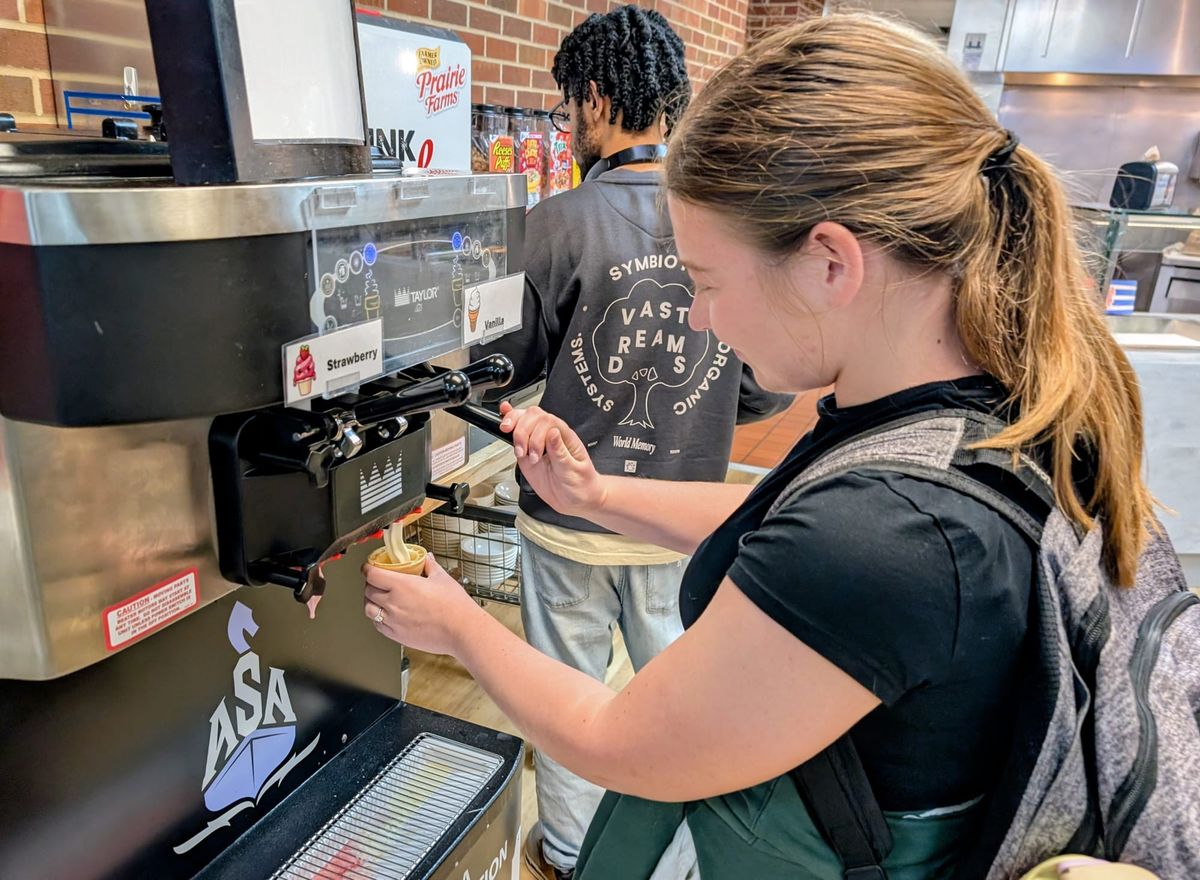
The Augustana Student Association (ASA) installed an ice cream machine in the university's dining hall. The equipment, which cost nearly $30,000, is intended to benefit all students on campus. But the proposal was initially rejected twice and only passed after a summer vote.
ASA President Igen Nywanda and Vice President Regis Dzenga say the proposal originated during the election campaign in March, as a way to bring the ASA closer to students who don't typically engage with the association.
The university had an ice cream machine for 15 to 20 years, but was discarded in 2023. According to Nywanda the machine was discarded due to natural wear on the equipment.
The housing and dining committee considered buying an ice cream machine in previous years but those proposals were unsuccessful.
According to ASA's treasurer Ayden Calvert ”There was a lot of interest in, ‘why do the schools around us have [an ice cream machine], and we don't?’"
The initial proposal
On May 10, 2026, the Senate considered then-senator Dzenga’s resolution to purchase an ice cream machine.
During the public voice, Beatrice Anyim ‘26, called it "irresponsible" to allocate about $30,000 to the project and questioned how Sodexo would share management of the equipment with the ASA itself. Some senators shared Anyim’s concern. Other senators wondered how students without meal plans would benefit from the purchase.
The initial vote failed. After senator Hiwote Hailu moved to reconsider the resolution the vote failed again.
Then-senator Clark Egland voted in favor to satisfy his constituents and support the new administration, even though he was generally opposed to daily ice cream consumption. During the second vote though, Egland voted against the measure due to irregularities in the reconsideration process.
Under Robert's Rules of Order, as adopted under ASA's constitution, a motion to reconsider a resolution may only be introduced by a senator who voted against it initially. Yet, the request came from the then-senator Hailu '26, who initially voted in favor. Hailu claimed she was not aware of the rule and was not corrected by the executive branch, even after Egland pointed out the clause.
President Nywanda said the executive has no way of knowing how any individual senator voted, since ASA does not record who voted which way. He said that if Senator Egland had something to say, it should have come up during the discussion period — not after.
Third time’s the charm
ASA leadership then turned to a clause in the constitution that authorizes the vice presidency to call votes between regular legislative sessions. The resolution was then approved with 73% in favor and 27% against. According to Nywanda the purpose was to ensure the equipment could be delivered and installed two weeks before classes began — allowing time to train the Sodexo staff in advance.
Both Nywanda and Egland agree that the outcome changed because the Senate's composition was different during the summer. But Nywanda and Egland have different explanations for the change.
Nywanda said the presidential election caused tension within ASA, and that this tension led to criticism that had little to do with the merits of the project itself. By summer, he says this tension had cooled.
Egland, on the other hand, said that the senators most critical of the administration were the same ones leaving office, and that their absence made approval easier. Although he understands the reasoning behind the decision and the time constraints, Egland says that holding a summer vote right after two defeats on the floor was "disrespectful" and a departure from "a strictly democratic process."
Initial Concerns
Nywanda said he believes much of the initial resistance stemmed from incomplete information about how the machine works. The chosen model requires deep cleaning only once every two weeks and when a flavor runs out, restocking typically takes about 15 minutes.
Regarding accessibility, one of the machine's two compartments remains reserved for vanilla ice cream (dairy-based), while the other rotates lactose-free or vegan options such as pineapple, Dole Whip and strawberry — the latter, Nywanda said, could be more clearly labeled for students.
"I've talked to quite a few students that are lactose-free, gluten-free, things like that.” Nywanda said. “They've been really appreciative; they thought they wouldn't be considered at all,"
To accommodate students without a meal plan, the ASA and Sodexo have scheduled "National Ice Cream Cone Day" for Sept. 22, offering free cones with a variety of toppings for the entire campus community with no meal plan required.
Another concern among students was the cost. In previous years, the Senate maintained a tighter budget and denied funding to student organizations and initiatives like the Lyft program. This led some students and senators to question why ASA denied funding to some projects but was willing to spend $30,000 on an ice cream machine.
Calvert, clarified the source of the funds. He said ASA’s $340,000 annual budget comes from student activity fees, but this year presented an unusual scenario. After the transition to the J1 system, the ASA identified about $80,000 of additional funds in its account — including roughly $20,000 recovered from inactive student clubs. These funds, in combination with the $74,000 surplus from last year, significantly inflated ASA's budget this year compared to previous years.
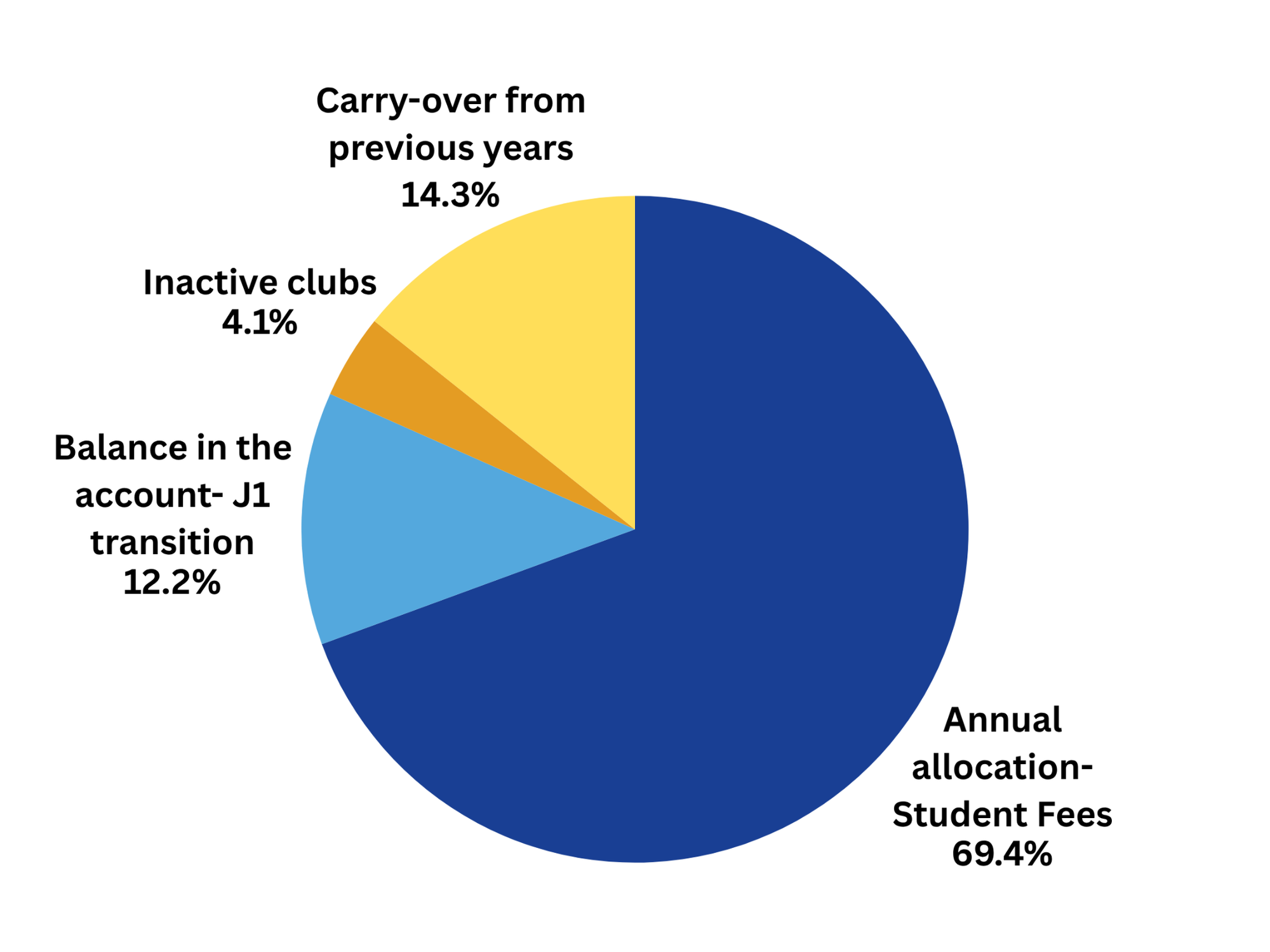
According to Calvert, this was an extraordinary, one-time surplus that lends itself to one-time capital projects.
"Every student pays student activity fees," Nywanda said. "Is the football player making it to all the UBG events? No, those events aren't targeted towards them. But something like an ice cream machine is literally something anyone can use in a dining hall."
To ensure the model could be delivered before classes began, the Sodexo and Facilities teams made their own additional investment of $3,000 in the project so the original deadline could be met. According to Sodexo the machine currently serves about 600 cones a day to students.
For ASA to get more visibility, the machine received an ASA identification, so students immediately recognized it as an Student Government investment.
Student reception seems to confirm that: according to Nywanda, the machine has even sparked an informal contest on social media, with students posting on YikYak to try to crown the "perfect cone," combining flavors and toppings in increasingly creative ways.
Egland acknowledges that the outcome has been positive. "I mean, if you support it or didn't support it, we got it, so you should want people to enjoy it," Egland said. “People seem to like it, and that's a good thing.”
Zina Hameed, a sophomore, says she believes it was a good purchase.
“After a stressful day everyone always needs ice cream, it's always there and it tastes so good.” Hameed said. “So it makes my day.”