
Augustana adapts to new NCAA eligibility rules
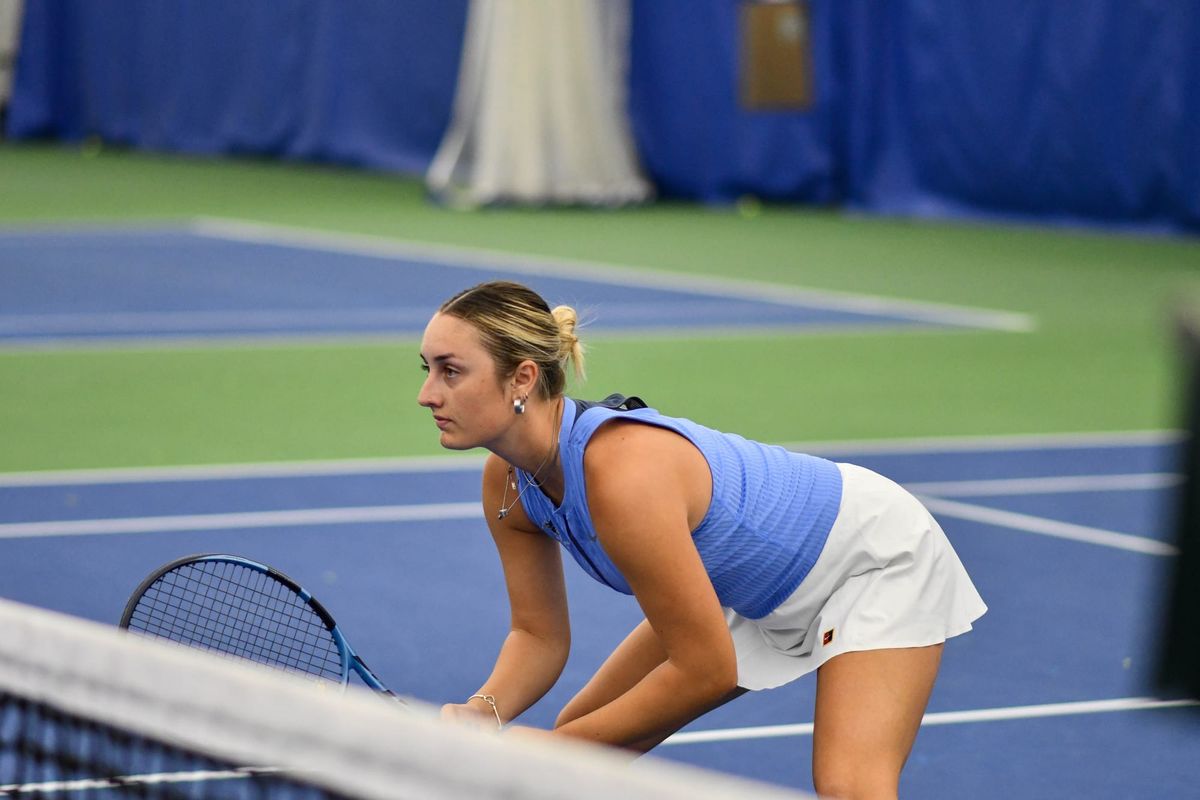
Augustana athletic officials are adjusting to a new NCAA rule that eliminates redshirting, replacing it with a fixed five-years of eligibility that starts either when the student turns 19 or when they graduate high school.
Previously, redshirting an athlete allowed programs to safeguard an athlete’s eligibility by limiting their playing time but having them train with the team. The fixed dates of the new rules will put an end to this practice as eligibility is now a fixed timeline rather than an adjustable one.
Marcia Entwistle, a faculty athletic representative, said that current students are able to choose between either set of rules.
“The students that are here right now have eligibility during the 26-27 season and can use whichever model is to their benefit,” said Entwistle.
Some students were able to make use of the old eligibility rules through medical hardship waivers which allow them to make up for missed time from competition because of injury, but these waivers will no longer be an option for incoming athletes.
“Let's say you break your leg on the first day of practice — doesn't matter,” said Dr. Entwistle. “If you break your arm the next year, it doesn't matter. You still get five years.”
Kimberly Miller, senior associate athletics director for compliance at Augustana, said that these changes are a part of a larger pipeline of modifications that have occurred since 2020 and the implementation of the Name, Image and Likeness program (NIL).
The NIL program is a way for student athletes to earn from the use of their names, likeness and images in media. According to Miller, the program enables larger colleges to incentivize student athletes at D2 colleges to join their programs by presenting lucrative deals and increased exposure.
“If you're getting a true freshman who has no collegiate experience, you're like trying to train them a year before you get them ready,” Miller said. “But if I come to a division two where I have a young man that's played a year or two there, then I don't have to train them.”
According to statistics published by the Next College Student Athlete (NCSA), there has been a 170% increase in the number of athletes entering the transfer portal. Miller says the increase can be attributed to athletes looking for more NIL opportunities and further financial incentives.
Since 2020, the NCAA has changed several rules to combat the increasing amount of ghost transfers, poaching from smaller colleges and student athletes competing for years beyond the expected eligibility windows.
A majority of student athletes choose to study at Augustana for the rigor of the academic programs and the advantages of a small college community, which is why Miller said they don’t attempt to push their eligibility beyond the five year period.
Senior tennis player Simone Karaouza said she primarily chose Augustana for its academic strength as well as conversations with Augie alumni who spoke highly of the sense of community at the university.
Student athletes like Karaouza will in most cases be able to take a fifth year should they want as the rules allow a fifth year anyway, although with Augustana being a four year institution athletes would like to have an additional major or in Karaouza’s case complete a master’s certification should they choose to take an additional year.
According to Entwistle, because coaches have to allocate their scholarship budgets to incoming freshmen, not every senior athlete would be offered an additional year of competition despite the rules making five year eligibility the norm.
“I would hope it's a really good conversation between the student athlete and the coach pretty early on as they make their plans.” Entwistle said.
The changes to the rules have heavily affected D1 colleges, with roughly 60 individual cases being filed against the NCAA by student athletes looking to keep extending their eligibility.
“The NCAA only enforces the rules we create,” Miller said when asked about why the previous rules were changed. “The people that actually vote on the rules and legislate the rules are the university presidents and the athletic directors, senior women administrators and faculty athletic reps.”
Entwistle and Miller both said that these new regulations are part of a large plan to address the abuse of previous eligibility rules by student athletes to continue playing their sport for periods that far exceed the expected careers of student athletes.
In most cases, student athletes like Karaouza will be able to take a fifth year should they wish as the rules allow for a fifth year anyway. However, Augustana’s being a four year institution means many athletes would like to take on an additional major, or in Karaouza’s case complete a master’s certification, should they choose to take a fifth year.