Former NATO commander to headline Boe Forum
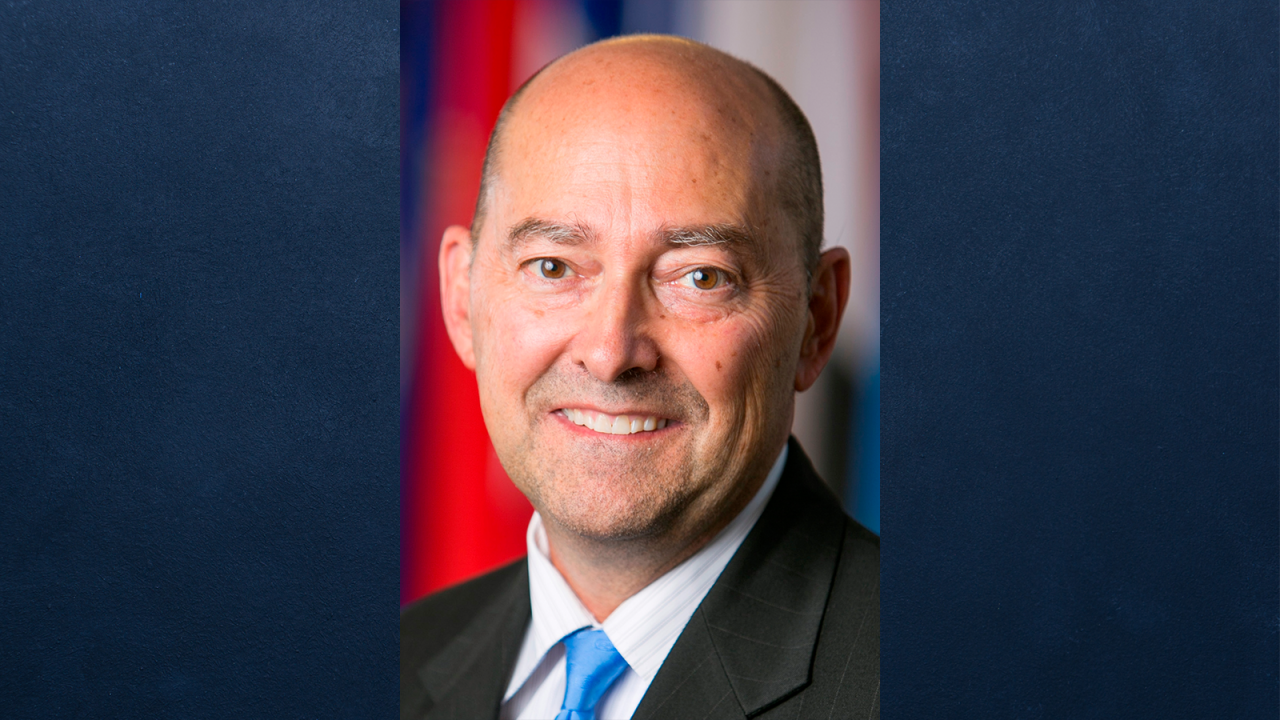
When Admiral James Stavridis takes the stage for the 29th Annual Boe Forum on Public Affairs at the Elmen Center, he will do so as the United States shifts away from traditional diplomacy and toward unilateral projections of hard power.
Since January, the U.S. has withdrawn from 66 international organizations and agreements, captured Venezuelan leader Nicolás Maduro in a military raid and joined Israel in launching a war in Iran without U.N. approval.
Stavridis previously served as NATO’s Supreme Allied Commander, overseeing operations across Afghanistan and the Middle East. For a military strategist who has long argued that American power is strongest when exercised through broad coalitions, these actions reflect a departure from the multilateral model he has promoted.
Last year’s Boe Forum, featuring presidential historian Jon Meacham, examined America’s past. This year, the Center for Western Studies (CWS) America 250 Task Force wanted to select a speaker to address America’s future, one now being shaped by the current federal administration.
“It’s only the second year of Mr. Trump’s presidency, and it’s already involving the United States across the world,” said Harry Thompson, executive director of the CWS. “It’s a global presidency, regardless of the policy of isolationism that seemed to be what he was offering [during his campaign].”
Yet America’s growing assertiveness has come alongside a retreat from its traditional alliances.
“If we don’t engage and facilitate or maintain those relationships, even if they weren't perfect, then what do we run the risk of losing?” said Jennapher Lunde Seefeldt, associate professor of government and international affairs.
According to Lunde Seefeldt, the risk is that the U.S. will trade “networks of trust” for short-term gains. She believes this is already fueling a “rise of regionalism,” in which local collections of nations form their own agreements as long-standing alliances like NATO lose influence.
This year, Lunde Seefeldt was responsible for choosing students to ask Stavridis questions during the forum’s Q&A. One of the students selected is sophomore government and international affairs major Igen Nyawanda.
To Nyawanda, the forum isn’t just for students interested in foreign policy. He believes foreign policy affects everyone, from food prices to gas costs, and hearing from someone like Stavridis is an opportunity to understand why.
Nyawanda is eager to connect with someone who has lived through many of the conflicts he has only read about.
“There are Netflix shows about Afghanistan and Syria, but I’ve never talked to someone who’s been there,” Nyawanda said. “They see not only the damage that’s been done, but the benefits that come from peace, from building bridges, from connection.”
Stavridis’ talk, “Geopolitics Beyond the Horizon: 21st Century Global Risk and Opportunity,” will take place at 7:30 p.m., on March 26. Tickets for the Boe Forum are free and available at augie.edu/BoeTickets.